How to Choose the Right Roofing Contractor in Beaver Dam, WI

Admin • June 20, 2025

Choosing the right professional for roofing in Beaver Dam, WI, is one of the most important decisions a homeowner can make. Whether you're dealing with storm damage or planning a full roof replacement, finding a reliable roofing contractor in Beaver Dam, WI, can help you avoid costly mistakes. Heimerl Corporation, a trusted local company, has built a reputation for dependable service and high-quality craftsmanship that Beaver Dam homeowners have counted on for years.


Understand Your Roofing Needs


Before reaching out to contractors, take time to understand the nature and scope of your project.


Determine the Type of Roofing Work


Are you facing a minor repair, storm damage, or considering a full replacement? Knowing what your home requires will help you evaluate the services each contractor offers.


Choose the Right Materials


Be clear on your goals regarding longevity, energy efficiency, and aesthetics. Whether you're considering asphalt shingles or metal roofing, aligning your needs with a contractor’s capabilities is key. For example, Heimerl Corporation’s roofing services include a range of materials and installation options suited to local weather conditions and design preferences.


Verify Licensing and Insurance


Working with a licensed and insured contractor isn’t just about compliance—it’s about peace of mind.


Licensing and Local Knowledge


A reputable roofing contractor in Beaver Dam, WI, will be familiar with local codes and permitting requirements, ensuring your roof is built to last.


Insurance as a Safety Net


Always ask for proof of liability and workers' compensation insurance. This protects you from financial risk if injuries or property damage occur during the project.


Check Experience and Local References


Experience speaks volumes—especially in regions like Beaver Dam, where weather patterns can be harsh and unpredictable.


Ask the Right Questions


  • How long have they been serving the area?
  • Do they have references from past Beaver Dam clients?
  • Can they provide examples of completed work nearby?


Companies that have deep roots in the community and positive word-of-mouth—such as Heimerl Corporation—are often the most reliable choice for roofing in Beaver Dam, WI.


Get Detailed Written Estimates


Transparency is critical when comparing contractors. A vague quote could mean hidden fees down the road.


What to Look for


Estimates should break down labor, materials, timelines, warranties, and cleanup. Avoid making decisions based solely on price—prioritize value, clarity, and professionalism.


Ask About Warranties and Guarantees


Warranties can reveal a lot about the quality of both the materials and the installation.


Know What’s Covered


Look for both manufacturer warranties on the roofing products and workmanship guarantees from the contractor. For instance, companies like Heimerl Corporation clearly outline our warranty terms so you know exactly what protections your investment includes.


Communication Is Key


Good communication starts with your first interaction and should continue through to project completion.


Trust Built Through Transparency


A professional roofing contractor in Beaver Dam, WI, should respond promptly, offer clear answers, and keep you informed every step of the way. Poor communication early on can be a warning sign of deeper issues down the line.


Ready to Start Your Roofing Project?


If you're preparing for roofing in Beaver Dam, WI, choosing a contractor who values craftsmanship, customer service, and local expertise is essential. Whether you’re comparing options or ready to schedule a consultation, contact Heimerl Corporation to discuss your project with a team that understands what Beaver Dam homeowners need.
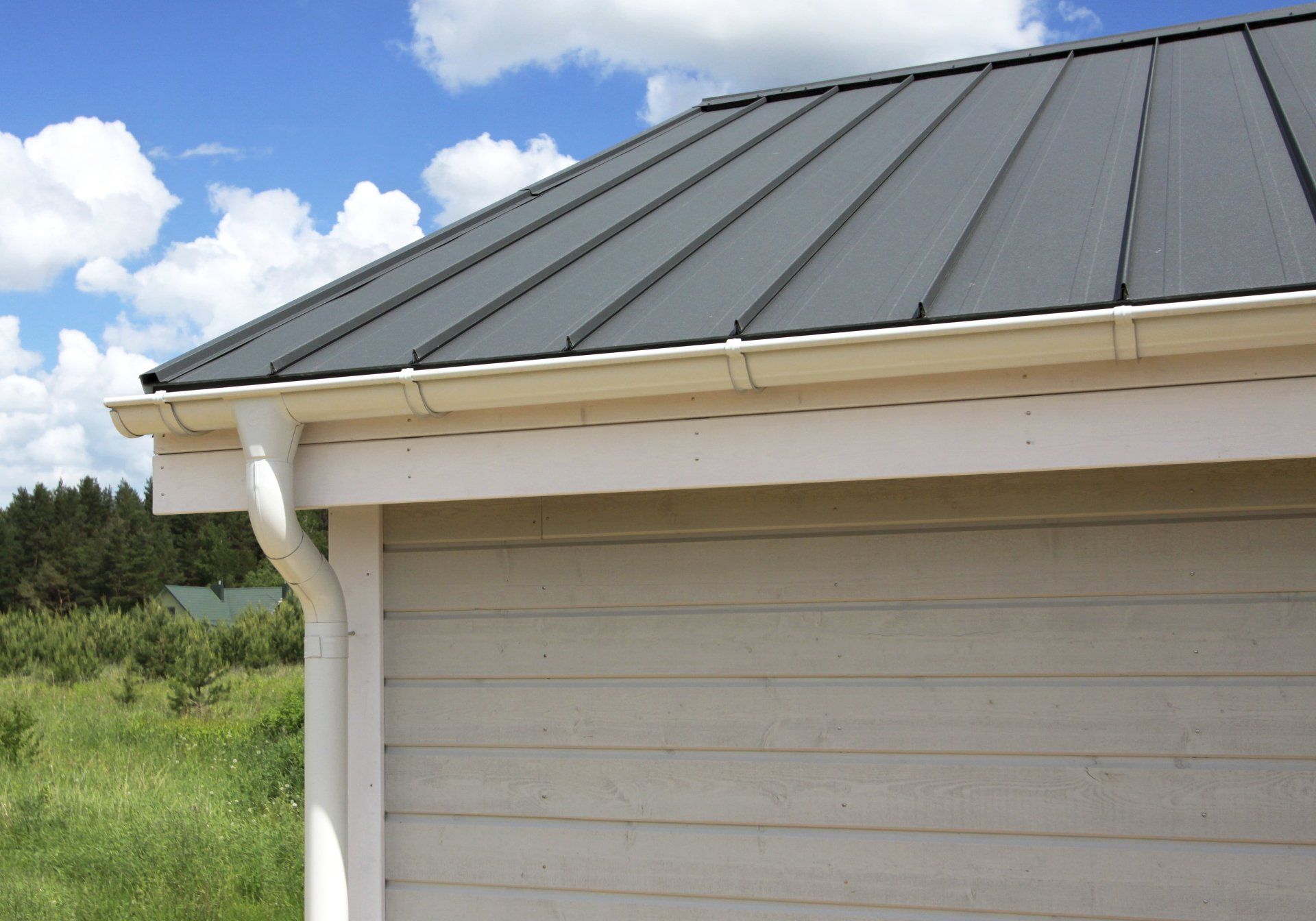
Gray metal roof and white gutter on a building against a blue sky with clouds
May 21, 2026
Homeowners in Beaver Dam and surrounding Wisconsin communities trust Heimerl Corporation for reliable roofing, siding, gutters, windows, decks, and exterior remodeling services.
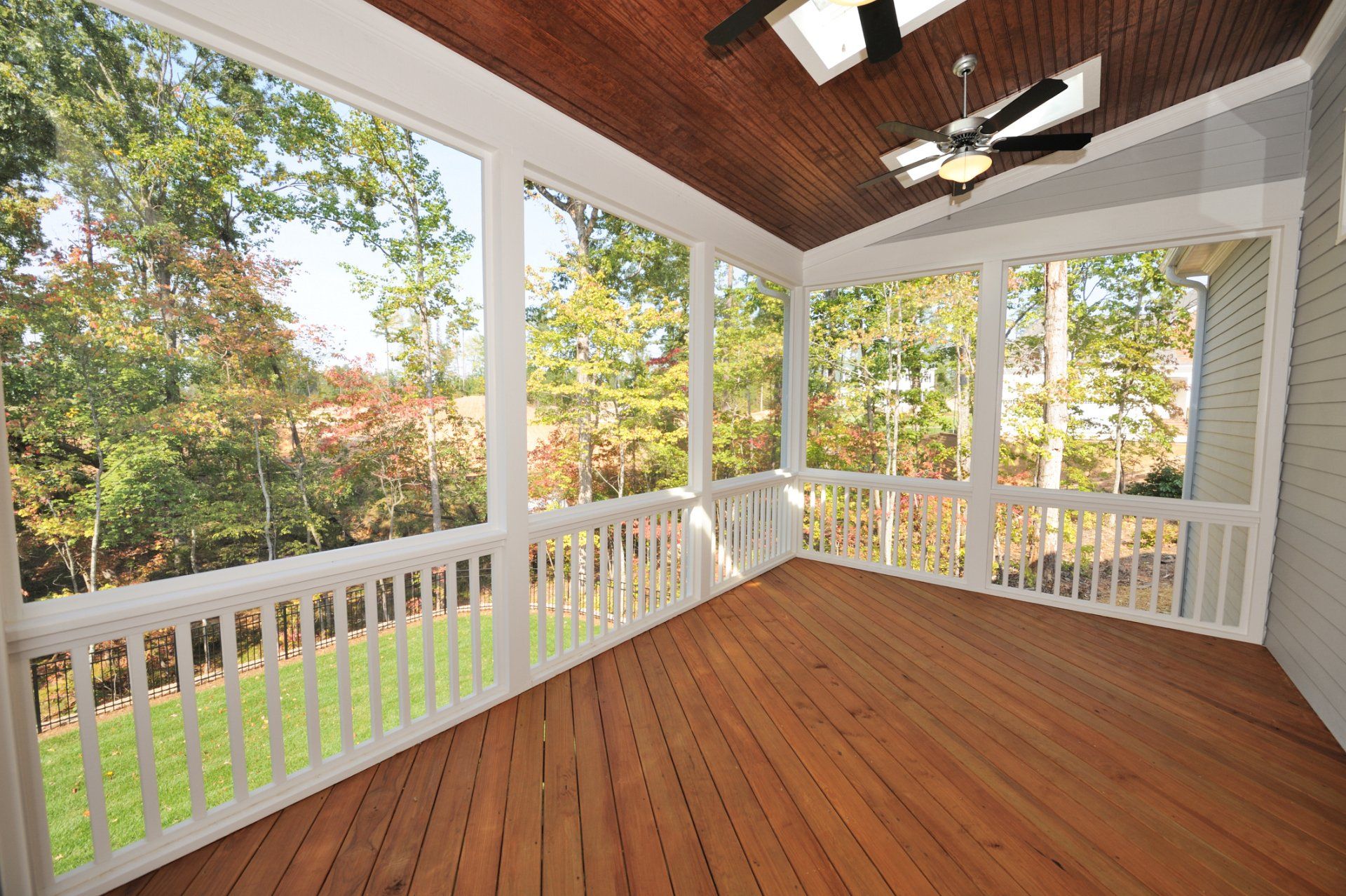
Covered wooden porch with white railings and screens overlooking a leafy yard
May 21, 2026
Heimerl Corporation | (920) 887-3881 | Excellent Service Since 1976 A backyard deck is one of the most valuable outdoor living spaces a homeowner can have, especially in Wisconin where seasonal use, entertaining, and outdoor relaxation are important parts of home life. But when it comes time to build a new deck or replace an old one, most homeowners face the same question: Should you choose composite or wood, and how do you know when a wood deck needs to be replaced? At Heimerl Corporation , we have been helping Wisconsin homeowners build and replace exterior structures since 1976. Understanding the differences between materials and knowing the warning signs of deck failure can help you make a safer and more cost-effective decision. Composite vs Wood Decks: What Is the Difference? Wood Decking Wood decks are traditionally built using pressure-treated lumber, cedar, or other natural materials. Advantages of Wood Decks Lower upfront cost Natural, classic appearance Easier to modify or repair Widely available materials Disadvantages of Wood Decks Requires regular staining and sealing Susceptible to rot and moisture damage Can warp, crack, or splinter over time Shorter lifespan in harsh climates like Wisconsin Wood decks perform best when properly maintained, but they require consistent upkeep to prevent deterioration. Composite Decking Composite decking is made from a blend of wood fibers and recycled plastic materials, designed to mimic the appearance of wood while offering improved durability. Advantages of Composite Decks Low maintenance requirements Resistant to rot, mold, and insects Long lifespan Consistent color and appearance Better performance in wet and snowy climates Disadvantages of Composite Decks Higher upfront cost Can retain heat in direct sunlight Limited ability to refinish or restore surface Composite decking is often chosen by homeowners looking for long-term durability and reduced maintenance. Composite vs Wood: Direct Comparison 1. Cost Wood decks: Lower initial investment Composite decks: Higher upfront cost, lower maintenance over time 2. Maintenance Wood: Requires regular sealing, staining, and inspections Composite: Minimal maintenance, occasional cleaning 3. Lifespan Wood: 10–20 years depending on care Composite: 25–40+ years 4. Weather Resistance Wood: Vulnerable to moisture, snow, and freeze thaw cycles Composite: Highly resistant to weather damage 5. Appearance Wood: Natural and traditional Composite: Consistent modern look with many style options Wisconsin Climate Considerations Wisconsin weather plays a major role in deck performance. Common challenges include: Heavy snow loads in winter Freeze and thaw cycles Summer humidity Rain exposure UV sun damage Wood decks are more vulnerable to these conditions unless carefully maintained. Composite decking is designed to handle these changes with less degradation over time. When Should You Replace a Wood Deck? Many homeowners ask: “How do I know when my wood deck needs to be replaced?” Here are the most important warning signs. 1. Soft or Spongy Wood If deck boards feel soft or give under pressure, it often indicates rot or structural weakening. 2. Visible Rot or Decay Look for: Darkened wood Crumbling edges Mold or mildew growth Soft spots near posts or beams 3. Loose or Wobbly Structure If the deck moves excessively or feels unstable, the framing may be compromised. 4. Cracked or Splintering Boards Surface damage can become a safety hazard, especially for bare feet or high traffic areas. 5. Rusted or Failing Fasteners Nails, screws, and connectors that are rusted or pulling away reduce structural integrity. 6. Age of the Deck Most wood decks last approximately 10 to 20 years depending on maintenance and weather exposure. In Wisconsin, harsh winters can shorten this lifespan. 7. Frequent Repairs Needed If you find yourself constantly replacing boards or fixing structural issues, replacement is often more cost effective. Repair vs Replacement: How to Decide Repair may be sufficient if: Damage is limited to surface boards Structure and framing are still solid Deck is relatively young Replacement is recommended if: Structural framing is compromised Rot is widespread Deck is near or past expected lifespan Safety is a concern In many cases, replacing an aging wood deck with composite material is the more cost effective long-term decision. Should You Upgrade to Composite Decking? Composite decking is often the best choice when homeowners want: Reduced maintenance Longer lifespan Better weather resistance Improved long-term value While wood may cost less upfront, composite often delivers lower total lifetime cost due to reduced repairs and upkeep. Final Thoughts Choosing between composite and wood decking depends on budget, maintenance preferences, and long-term goals. In Wisconsin’s demanding climate, durability and moisture resistance are especially important factors. If your wood deck is showing signs of age, rot, or instability, it may be time to consider a replacement rather than continued repairs. At Heimerl Corporation , we help homeowners evaluate their existing deck and choose the right solution for safety, durability, and long-term value. Call (920) 887-3881 for a free estimate Excellent Service Since 1976 Residential decking, roofing, and exterior construction experts Built for Wisconsin weather conditions
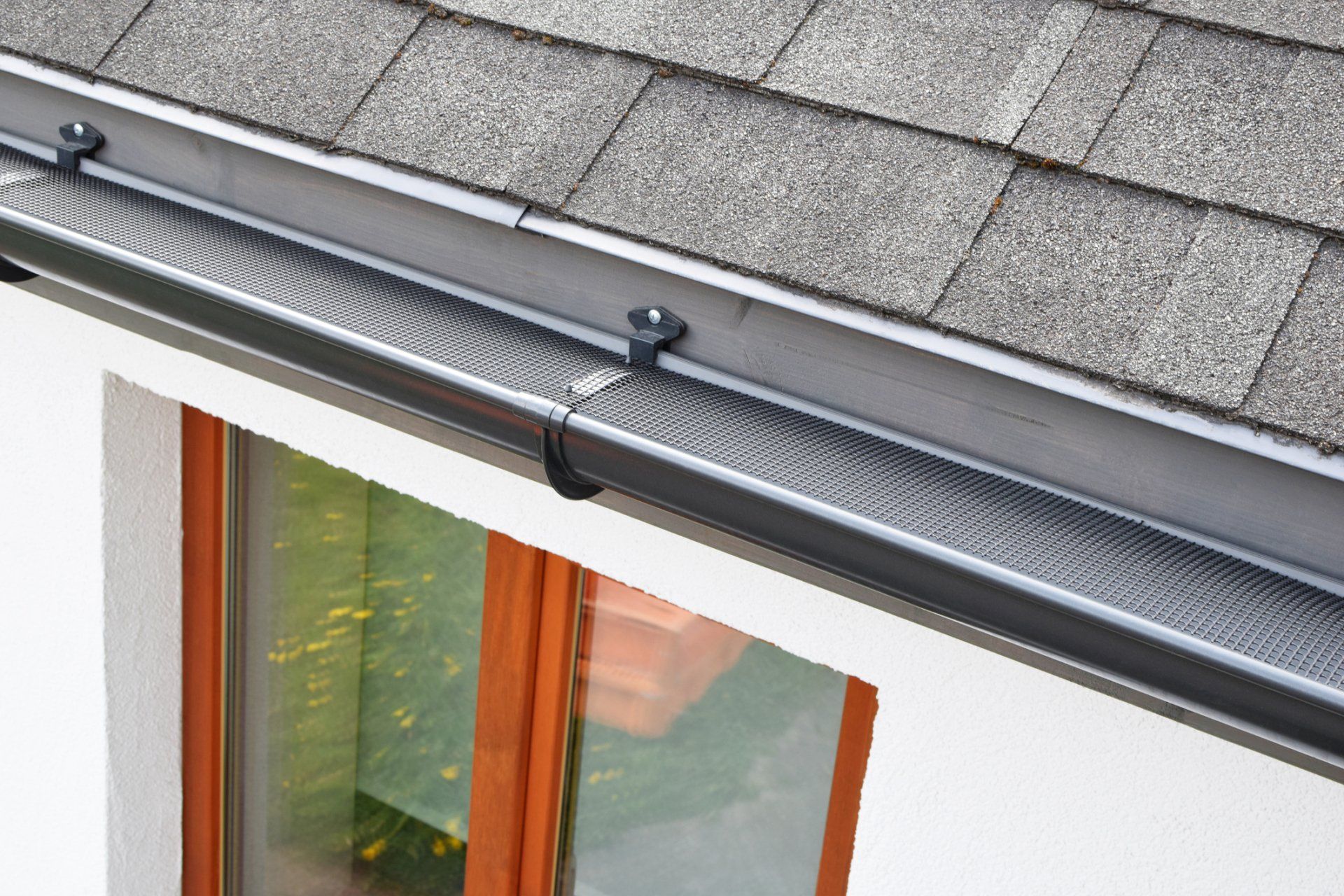
Roof gutter with leaf guard and downspout above a house window
May 21, 2026
Heimerl Corporation | (920) 887-3881 | Excellent Service Since 1976 When homeowners plan exterior renovations, roofing and gutters are often treated as separate projects. In reality, they work together as one integrated water management system that protects your entire home. At Heimerl Corporation , we have been serving Wisconsin homeowners since 1976, and one of the most cost-effective decisions we see is replacing the roof and gutters at the same time. It improves performance, reduces long-term costs, and ensures the entire system works together correctly from day one. Roofs and Gutters Work as One System Your roof is designed to shed water. Your gutters are designed to control where that water goes. When one part is new and the other is aging, problems often develop, such as: Improper water flow Overflowing gutters Ice dam formation Foundation water issues Premature wear on new roofing edges Replacing both systems together ensures they are properly matched and functioning as intended. 1. Better Water Protection for Your Home A new roof without properly functioning gutters can still lead to water damage. When roofing and gutters are replaced together: Water is directed away from the home correctly Fascia and soffits stay protected Basement and foundation risks are reduced Landscaping erosion is minimized This is especially important in Wisconsin, where heavy rain, snowmelt, and freeze thaw cycles create significant water movement around homes. 2. Prevents Damage to a New Roof Old gutters often cause problems that can shorten the life of a new roof. Common issues include: Overflow that runs back onto shingles Rotting fascia boards Water pooling at roof edges Ice buildup along gutters If gutters are not functioning correctly, they can damage a roof that has just been installed. Replacing both systems together eliminates that risk. 3. Improves Ice Dam Prevention Ice dams are a major issue in Wisconsin winters. When gutters are old or improperly pitched, they can: Trap melting snow Freeze water at the roof edge Force water under shingles A coordinated roof and gutter installation allows for: Proper drip edge installation Correct gutter alignment Better ice and water shield placement Improved drainage performance 4. More Cost Efficient in the Long Run While replacing both systems at once is a larger upfront investment, it often saves money over time. You reduce costs by: Avoiding duplicate labor charges Eliminating future tear-off work on newly installed roofing edges Preventing water damage repairs Reducing emergency service calls When both systems are done together, crews can complete the work more efficiently and with fewer disruptions. 5. Better Curb Appeal and Home Value A new roof paired with new gutters creates a clean, finished exterior appearance. Benefits include: Consistent color and material match Straighter, cleaner rooflines Improved resale value Strong first impression for buyers Buyers often view roofing and gutter condition as a major factor in home value and inspection outcomes. 6. Proper Installation Alignment Matters Gutters must be installed based on the slope and edge design of the roof. When both are installed together, contractors can: Set correct gutter pitch based on the new roofline Install drip edge correctly Ensure shingles properly overlap gutter systems Prevent gaps or misalignment issues This coordination is difficult when gutters are installed years after a roof replacement. 7. Less Disruption Over Time Completing both projects at once means: One construction schedule One cleanup process One mobilization of materials and equipment Fewer days of noise and disruption Instead of dealing with separate projects years apart, homeowners handle everything in one streamlined project. When You Might Replace Only One There are situations where separate replacement still makes sense: Gutters are relatively new and in good condition Roof replacement is minor or localized repair Budget timing requires phased work However, in most full roof replacement projects, evaluating gutters at the same time is strongly recommended. Final Thoughts Replacing your roof and gutters together is one of the most effective ways to protect your home from Wisconsin weather. It ensures your water management system works as a complete unit, reduces long-term repair costs, and improves overall performance and appearance. At Heimerl Corporation , we help homeowners make informed decisions based on long-term value, not short-term fixes. With over four decades of experience, we understand how roofs and gutters must work together to protect your home. Call (920) 887-3881 to schedule a free estimate Excellent Service Since 1976 Residential roofing, gutters, and exterior systems done right the first time
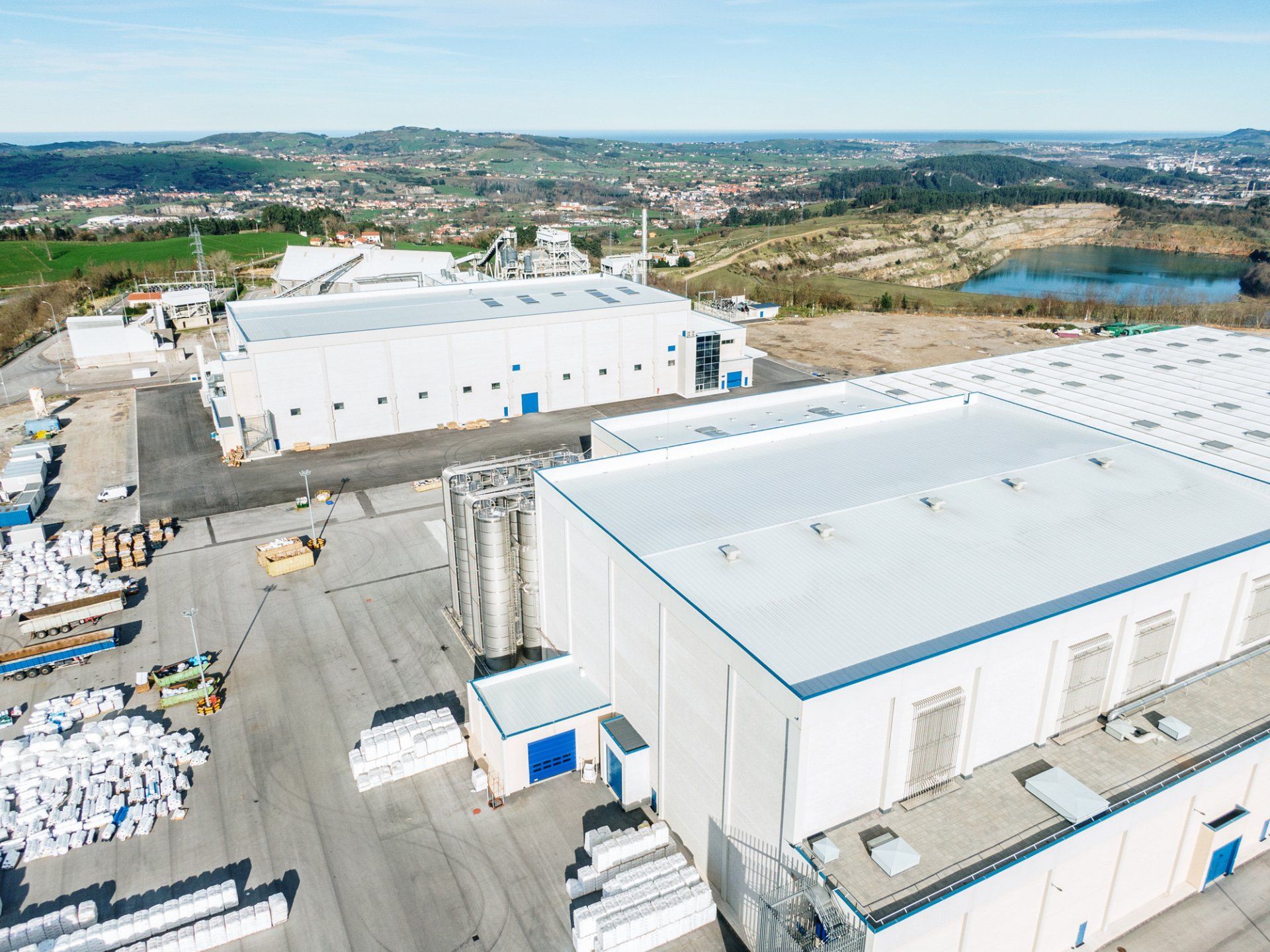
Aerial view of white warehouse buildings in an industrial area with roads and fields in the distance
May 21, 2026
Heimerl Corporation | (920) 887-3881 | Excellent Service Since 1976 Commercial roofing systems are one of the most expensive and important assets a business owns. Yet they’re also one of the most overlooked until a leak disrupts operations, damages inventory, or creates safety risks. In Wisconsin’s demanding climate, with snow loads, freeze-thaw cycles, wind, hail, and heavy rain, routine roof inspections are not optional they’re a critical part of protecting your building and controlling long-term costs. At Heimerl Corporation , we’ve been serving Wisconsin businesses since 1976 with commercial roofing installation, maintenance, and storm damage repair. Here’s what every property owner should know. How Often Should a Commercial Roof Be Inspected? A common search question from business owners is: “How often should commercial roofs be inspected?” Standard Recommendation: Most commercial roofs should be inspected: At least twice per year Once in the spring Once in the fall Additional Required Inspections: You should also schedule inspections: After any major storm (hail, wind, heavy snow) After roof-mounted equipment work (HVAC, solar, etc.) If leaks or interior stains appear When the building changes ownership or tenants Why Twice-Yearly Inspections Matter in Wisconsin Wisconsin weather accelerates roof wear due to: Snow accumulation and melting cycles Ice dam formation High wind events Summer heat expansion and winter contraction Hail damage during storm season Even small issues can quickly turn into costly structural damage if ignored. What Happens During a Commercial Roof Inspection? A professional inspection from Heimerl Corporation typically includes: Checking membrane or surface condition (TPO, EPDM, etc.) Inspecting flashing and edge details Examining drainage systems and ponding water Checking roof penetrations (vents, HVAC units, drains) Looking for signs of leaks or moisture intrusion Assessing insulation and decking conditions Identifying storm-related damage The goal is to detect problems early before they disrupt your business. Early Warning Signs of Commercial Roof Damage Business owners often ask: “How do I know if my commercial roof is damaged?” Here are the most common signs to watch for: 1. Interior Water Stains or Leaks Ceiling stains Dripping water during rain Wet insulation or walls Even small leaks usually indicate a larger roofing issue above. 2. Ponding Water on Flat Roofs Water that sits for more than 48 hours after rain can indicate: Drainage problems Structural slope issues Membrane deterioration 3. Blistering or Bubbling Roofing Material This often signals trapped moisture or heat damage beneath the surface. 4. Cracked or Loose Flashing Flashing protects vulnerable areas like: HVAC units Roof edges Skylights When it fails, leaks often follow quickly. 5. Membrane Damage (TPO/EPDM Roofs) Look for: Tears Shrinkage Punctures Loose seams 6. Rising Energy Bills A damaged roof often reduces insulation performance, forcing HVAC systems to work harder. 7. Visible Storm Damage After hail or windstorms, look for: Dents or punctures Loose roofing material Debris impact marks Why Commercial Roof Damage Gets Worse Over Time One of the most important things to understand is that commercial roofing problems rarely fix themselves. Small issues can quickly escalate into: Structural damage Mold growth Insulation failure Business interruption Costly emergency repairs What might be a minor repair today can become a full roof replacement if ignored. How Preventative Maintenance Saves Money Regular inspections and maintenance can: Extend roof lifespan significantly Reduce emergency repair costs Improve energy efficiency Protect inventory and equipment Maintain warranty compliance Most commercial roof systems last 20–30+ years , but only with proper care. Recommended Commercial Roof Maintenance Schedule For Wisconsin businesses, Heimerl Corporation recommends: Twice-Yearly Inspections Spring: Check winter damage Fall: Prepare for snow season After Every Major Storm Hail High winds Heavy snow events Ongoing Maintenance Drain cleaning Debris removal Sealant and flashing checks What to Do If You Suspect Roof Damage If you notice any warning signs: Avoid walking the roof unless trained Document visible interior damage Schedule a professional inspection immediately Contact your insurance provider if storm-related Address repairs quickly to prevent escalation Why Businesses Trust Heimerl Corporation Since 1976, Heimerl Corporation has provided Wisconsin businesses with reliable commercial roofing solutions built for long-term performance. We specialize in: Commercial roof inspections Flat roofing systems (TPO, EPDM, and more) Storm damage repair Preventative maintenance programs Full roof replacement and restoration We understand that downtime costs money which is why we focus on fast response, accurate diagnostics, and long-term solutions. Final Thoughts Commercial roof inspections are not just maintenance they are risk prevention. For most Wisconsin businesses, the standard is simple: ✔ Inspect twice per year ✔ Inspect after every major storm ✔ Act quickly when damage appears This approach protects your building, reduces long-term costs, and prevents unexpected disruptions. Schedule a commercial roof inspection with Heimerl Corporation today at (920) 887-3881 Excellent Service Since 1976 Trusted Wisconsin commercial roofing experts Preventative maintenance + emergency repair specialists
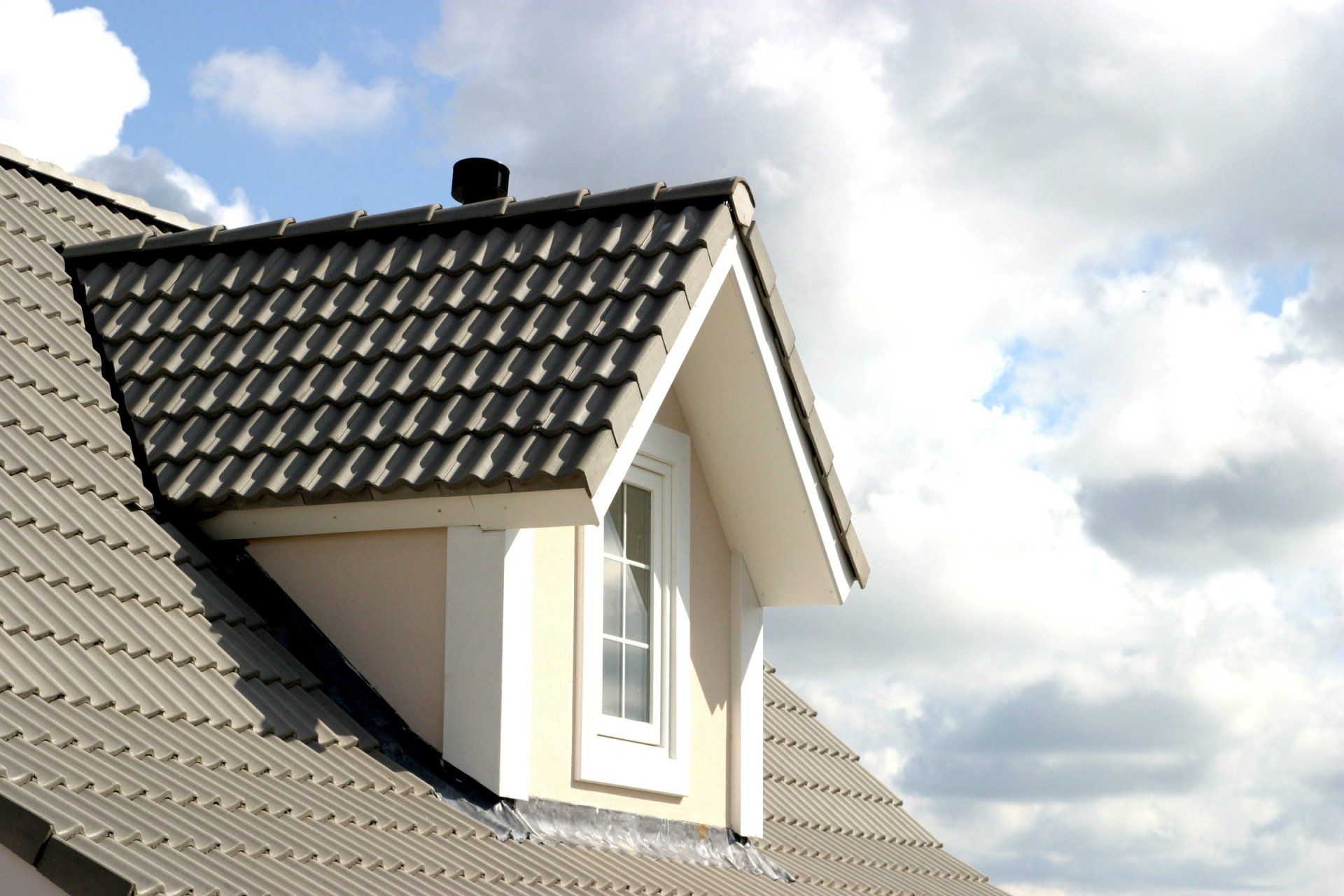
Dormer window with dark tiled roof against a cloudy sky
May 21, 2026
Heimerl Corporation | (920) 887-3881 | Excellent Service Since 1976 Choosing between an asphalt shingle roof and a metal roof is one of the most common decisions Wisconsin homeowners face. With heavy snow, ice dams, hail, high winds, and extreme temperature swings, the right roofing system can significantly impact your home’s durability, energy efficiency, and long-term cost. At Heimerl Corporation , we’ve been installing and replacing roofs across Wisconsin since 1976, and both shingle and metal roofing systems have clear advantages depending on your home and budget. Wisconsin Weather: Why Your Roof Choice Matters Wisconsin roofs must withstand: Heavy snow loads Ice dam formation Freeze-thaw cycles High winds Hail storms Hot summers and freezing winters Because of this, roofing choice is less about “best overall” and more about what performs best for your specific home and goals . Asphalt Shingle Roofs in Wisconsin Asphalt shingles are the most common roofing system in Wisconsin and for good reason. Advantages of Shingle Roofing Lower upfront cost Easier and faster installation Wide variety of colors and styles Strong performance in most residential settings Easier repairs if damage occurs Performance in Wisconsin Weather Modern architectural shingles are designed to handle: Snow loads Wind uplift (when properly installed) Seasonal temperature swings However, shingles can be more vulnerable to: Ice dam damage if ventilation is poor Granule loss from hail over time Shorter lifespan compared to metal Lifespan Typically 20–30 years depending on quality and maintenance. Metal Roofs in Wisconsin Metal roofing has become increasingly popular in colder climates due to its durability and snow-shedding ability. Advantages of Metal Roofing Extremely long lifespan Excellent snow shedding (reduces ice dams) High wind resistance Superior durability against hail Energy efficiency (reflects heat in summer) Performance in Wisconsin Weather Metal roofing performs exceptionally well in: Heavy snow regions (snow slides off more easily) Ice dam-prone homes High wind exposure areas Severe storm conditions Considerations Higher upfront cost More specialized installation Can be noisier without proper insulation (modern systems usually mitigate this) Lifespan Typically 40–70+ years Shingle vs Metal: Direct Comparison 1. Cost Shingles: More affordable upfront Metal: Higher initial investment, but longer lifespan 2. Durability Shingles: Good durability, may require replacement sooner Metal: Excellent long-term durability 3. Snow & Ice Performance Shingles: Can be affected by ice dams Metal: Superior snow shedding reduces buildup 4. Storm Resistance Shingles: Good, but can lose granules or lift in extreme winds Metal: Very strong wind and hail resistance 5. Maintenance Shingles: Periodic inspections and repairs needed Metal: Lower maintenance over time 6. Appearance Shingles: Traditional residential look, wide style options Metal: Modern or premium aesthetic, growing popularity Which Roof Is Better for Wisconsin Homes? There is no single “best” roof only the best roof for your situation. Asphalt shingles are best if you want: Lower upfront cost Traditional appearance Reliable residential performance Easier future repairs Metal roofing is best if you want: Maximum durability Long-term investment Superior snow and ice performance Reduced maintenance over decades What We Recommend at Heimerl Corporation At Heimerl Corporation (Excellent Service Since 1976) , our recommendation is based on your home, not a one-size-fits-all solution. We typically suggest: Architectural shingles for most residential homes (best balance of cost and performance) Metal roofing for homeowners planning long-term ownership or dealing with heavy snow/ice issues Every roof is evaluated based on: Structure and slope Ventilation system Storm exposure Budget goals Long-term plans for the home Final Thoughts In Wisconsin, both shingle and metal roofing can perform extremely well when properly installed. The real difference comes down to budget, longevity expectations, and weather exposure . If you're unsure which option is right for your home, a professional inspection is the best first step.  Call Heimerl Corporation at (920) 887-3881 for a free roofing estimate Serving Wisconsin homeowners since 1976 Residential & commercial roofing experts Storm damage & insurance specialists
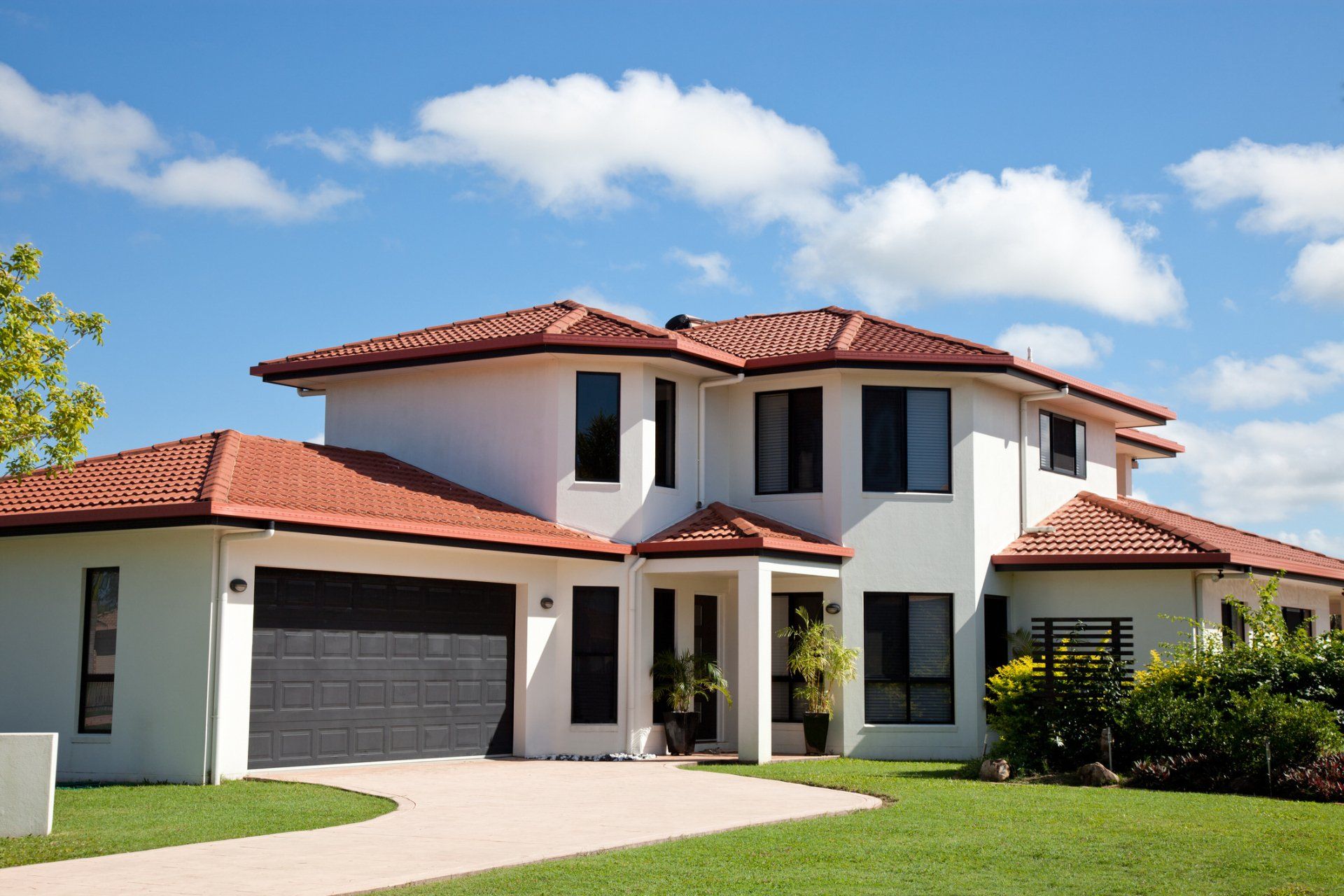
Modern two-story white house with red tile roof, garage, and green lawn under a blue sky
May 21, 2026
Learn essential residential roofing tips for Wisconsin homeowners including roof maintenance, repairs, replacements, and weather protection from Heimerl Corporation in Beaver Dam WI.
Wide shot of a home on the east coast during autumn.
December 16, 2025
Learn the top signs you need professional roofing services in Beaver Dam, Horicon, Waupun, Columbus, and Fox Lake WI, from leaks and missing shingles to storm and roof damage.
Row of brick houses with cars parked in front, on a sunny day.
October 28, 2024
Discover the warning signs that indicate you may need a new roof installation in Beaver Dam WI, including leaks, missing shingles, storm damage, and aging roofing materials.